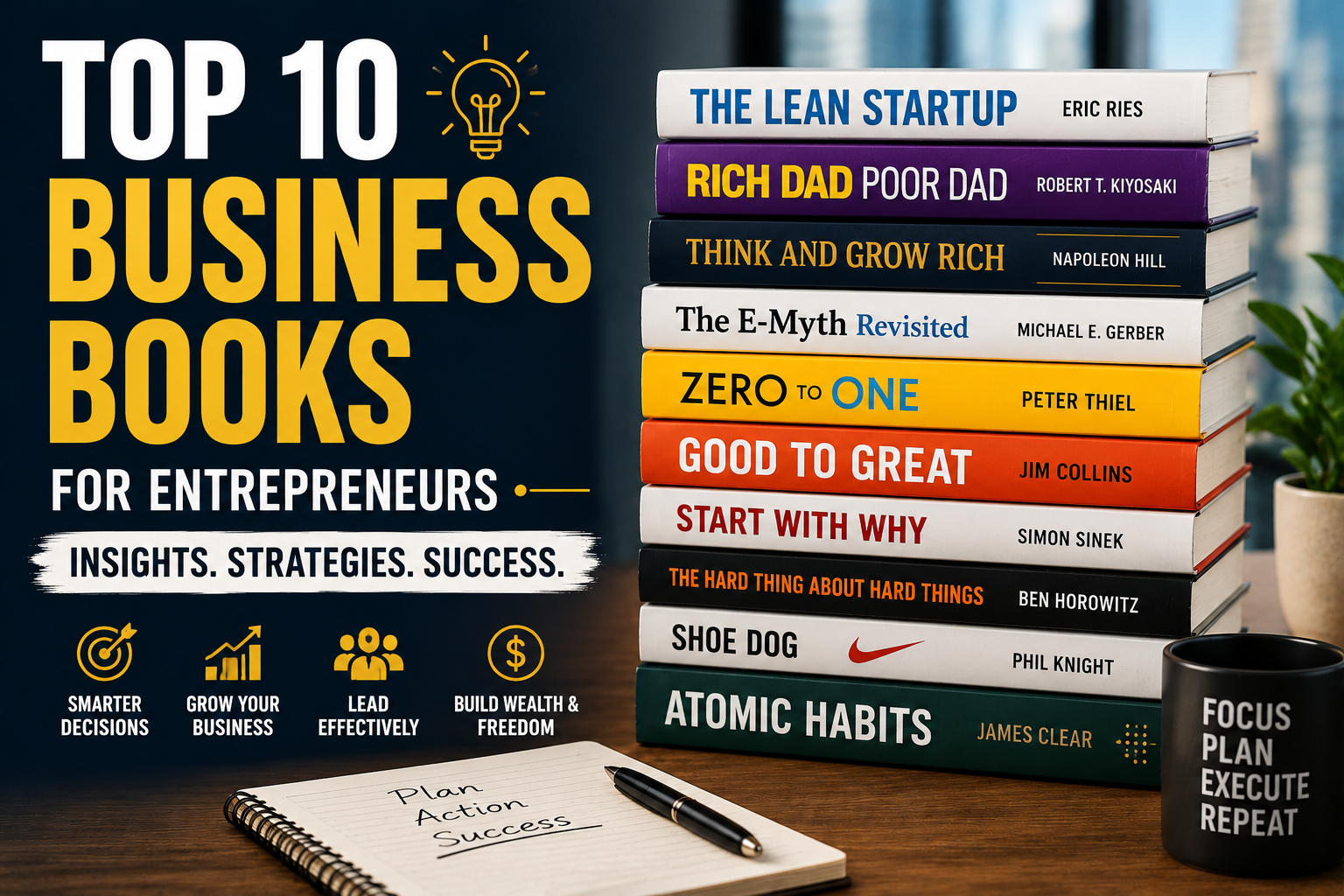
Managing money is one of the most important life skills, yet many people never receive formal education about personal finance. Whether you’re trying to save more, get out of debt, build wealth, or achieve financial independence, the right books can provide valuable guidance.
Fortunately, some of the world’s best financial experts have shared their knowledge through books that simplify complex money concepts and make them accessible to beginners. In this article, we’ll explore ten of the best personal finance books that can help you take control of your financial future.
1. Rich Dad Poor Dad by Robert Kiyosaki
Rich Dad Poor Dad is one of the most popular personal finance books ever written. The book compares the financial lessons learned from two father figures—one who struggled financially and another who built wealth through investing and business ownership.
Kiyosaki challenges traditional beliefs about money and encourages readers to think differently about assets, liabilities, and financial freedom.
Key Lessons
- Build assets that generate income
- Understand financial literacy
- Make money work for you
Why Beginners Should Read It
The book changes the way people think about wealth and investing.
2. The Psychology of Money by Morgan Housel
Money is often more about behavior than intelligence. Morgan Housel explains how emotions, habits, and personal experiences influence financial decisions.
The book uses real-life stories to show why understanding psychology is crucial for long-term financial success.
Key Lessons
- Wealth is built through consistency
- Patience is a financial superpower
- Avoid emotional financial decisions
Why Beginners Should Read It
It teaches practical money lessons in an easy-to-understand format.
3. The Total Money Makeover by Dave Ramsey
Dave Ramsey provides a step-by-step plan for eliminating debt and building financial security.
His straightforward advice has helped millions of people regain control of their finances.
Key Lessons
- Create an emergency fund
- Pay off debt aggressively
- Build long-term wealth through discipline
Why Beginners Should Read It
The book offers a simple roadmap for financial stability.
4. Your Money or Your Life by Vicki Robin and Joe Dominguez
This classic personal finance book encourages readers to rethink their relationship with money and spending.
Rather than focusing solely on earning more, the authors emphasize aligning financial decisions with personal values.
Key Lessons
- Spend intentionally
- Track every dollar
- Pursue financial independence
Why Beginners Should Read It
It helps readers understand the true value of money and time.
5. The Millionaire Next Door by Thomas J. Stanley and William D. Danko
Many people assume millionaires live extravagant lifestyles. This book reveals that most wealthy individuals actually live below their means and make smart financial choices.
The authors studied real millionaires to identify common habits that contribute to financial success.
Key Lessons
- Live below your means
- Save consistently
- Avoid lifestyle inflation
Why Beginners Should Read It
It shows that wealth is often built through simple, disciplined habits.
6. I Will Teach You to Be Rich by Ramit Sethi
Despite its bold title, this book provides practical advice for managing money, investing, and building wealth.
Ramit Sethi presents personal finance in a modern and engaging way that appeals especially to younger readers.
Key Lessons
- Automate your finances
- Invest early
- Focus on big financial wins
Why Beginners Should Read It
The advice is actionable and easy to implement immediately.
7. Think and Grow Rich by Napoleon Hill
Although originally published in 1937, Think and Grow Rich remains one of the most influential financial success books ever written.
The book focuses on mindset, goal setting, and persistence as foundations for achievement.
Key Lessons
- Set clear financial goals
- Develop confidence
- Stay persistent during challenges
Why Beginners Should Read It
It helps build the mindset needed for long-term success.
8. The Simple Path to Wealth by JL Collins
JL Collins simplifies investing and wealth building for ordinary people.
The book explains concepts like index fund investing, stock market growth, and financial independence in clear language.
Key Lessons
- Keep investing simple
- Avoid unnecessary fees
- Focus on long-term growth
Why Beginners Should Read It
Perfect for readers who want a straightforward introduction to investing.
9. Broke Millennial by Erin Lowry
Designed specifically for young adults, Broke Millennial addresses common money challenges such as budgeting, saving, student loans, and investing.
The conversational writing style makes financial topics less intimidating.
Key Lessons
- Build a realistic budget
- Understand credit scores
- Develop healthy money habits
Why Beginners Should Read It
Ideal for readers starting their financial journey.
10. Atomic Habits by James Clear
While not exclusively a finance book, Atomic Habits teaches principles that can dramatically improve financial behavior.
Small daily actions often determine long-term financial success.
Key Lessons
- Build positive financial habits
- Stay consistent over time
- Focus on gradual improvement
Why Beginners Should Read It
Good financial health starts with strong habits.
Common Traits of Financially Successful People
After studying the lessons from these books, several common patterns emerge among financially successful individuals:
- They spend less than they earn.
- They invest consistently.
- They avoid unnecessary debt.
- They think long term.
- They continue learning about money.
- They make disciplined financial decisions.
- They focus on building assets.
These habits may seem simple, but they can have a powerful impact over time.
How to Start Improving Your Finances Today
Reading these books is a great first step, but taking action is even more important. Here are a few simple ways to begin:
Create a Budget
Track your income and expenses so you know exactly where your money is going.
Build an Emergency Fund
Aim to save at least three to six months of living expenses.
Pay Off High-Interest Debt
Reducing debt frees up money for saving and investing.
Start Investing Early
Even small investments can grow significantly over time thanks to compound growth.
Continue Learning
The more you understand personal finance, the better decisions you’ll make.
Final Thoughts
Personal finance doesn’t have to be complicated. The books on this list provide valuable lessons that can help anyone improve their financial situation, regardless of income level or experience.
Whether you’re trying to save your first $1,000, eliminate debt, invest for retirement, or achieve financial independence, these books offer practical strategies and proven advice. Start with the one that best matches your current financial goals and apply the lessons consistently.
Remember, financial success is not about earning the most money—it’s about managing money wisely and making smart decisions over time. The knowledge you gain from these books could have a lasting impact on your financial future.